





Limi Valley Trek
Destination Details
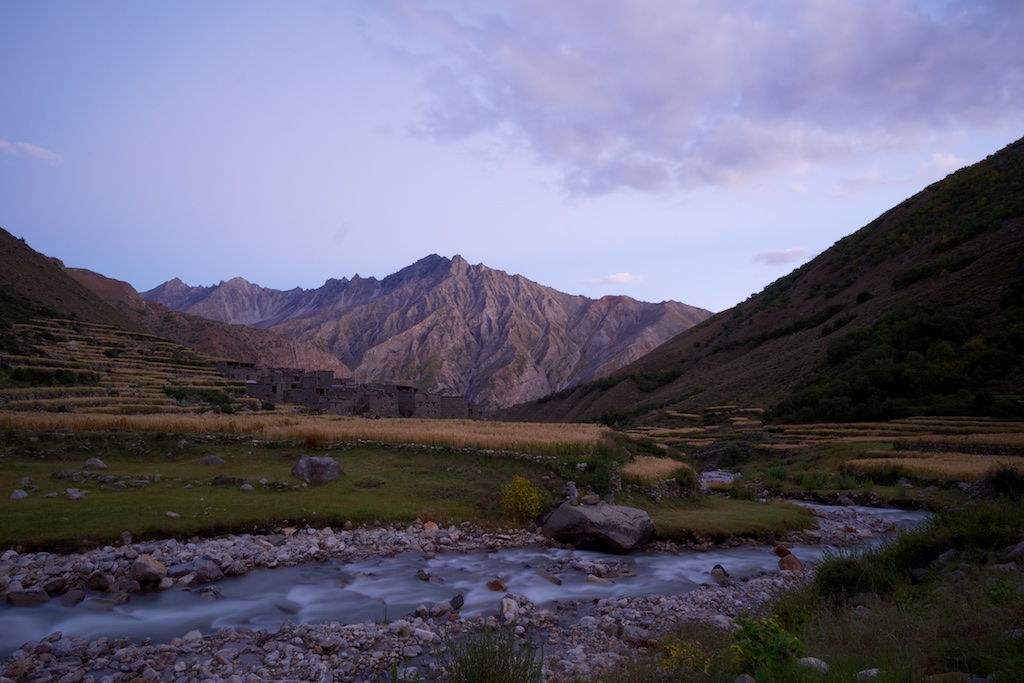
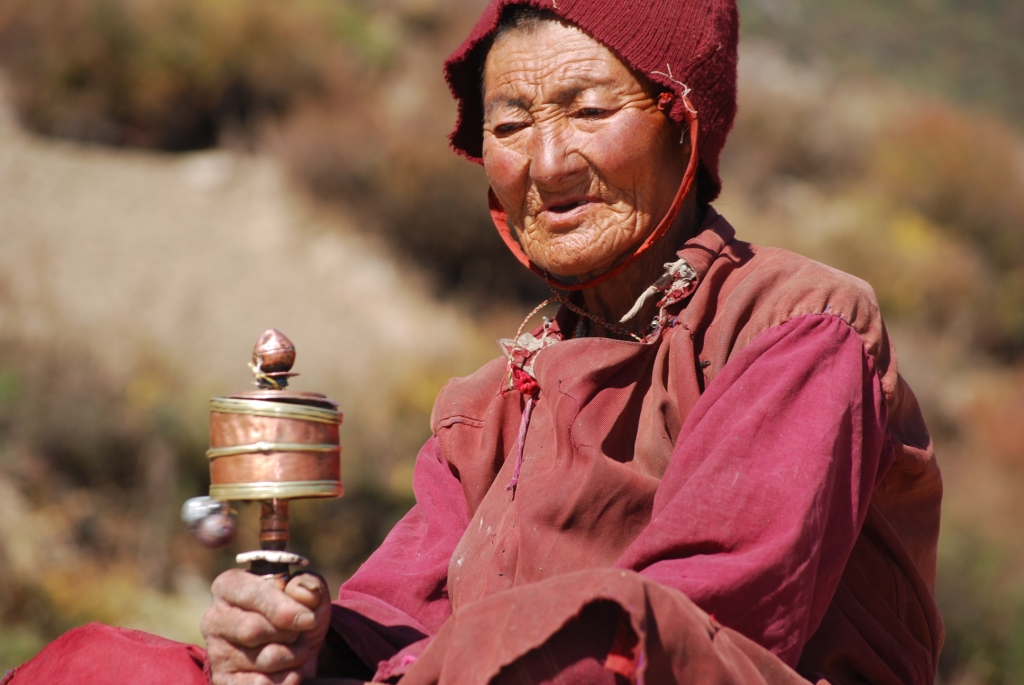
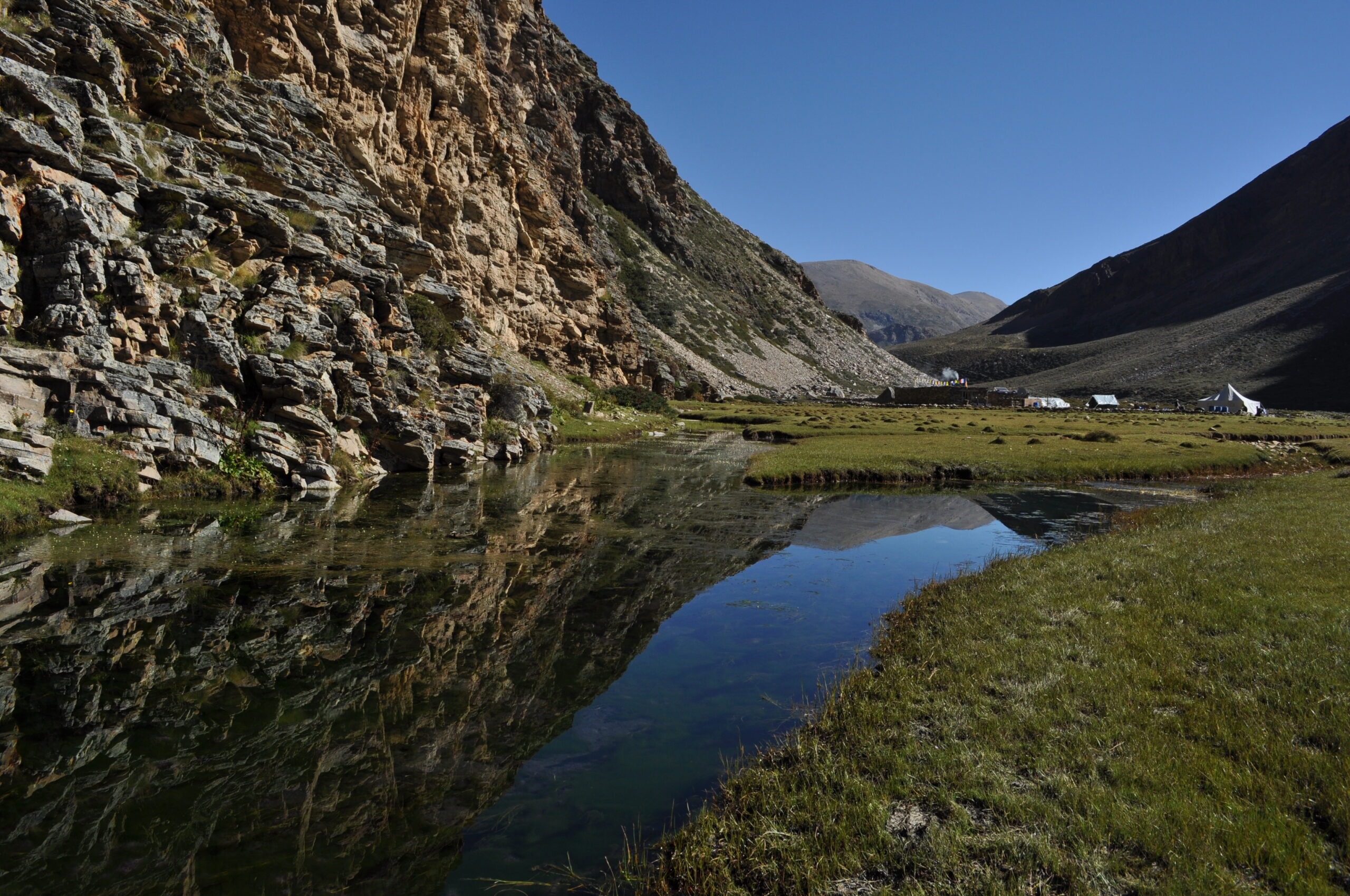
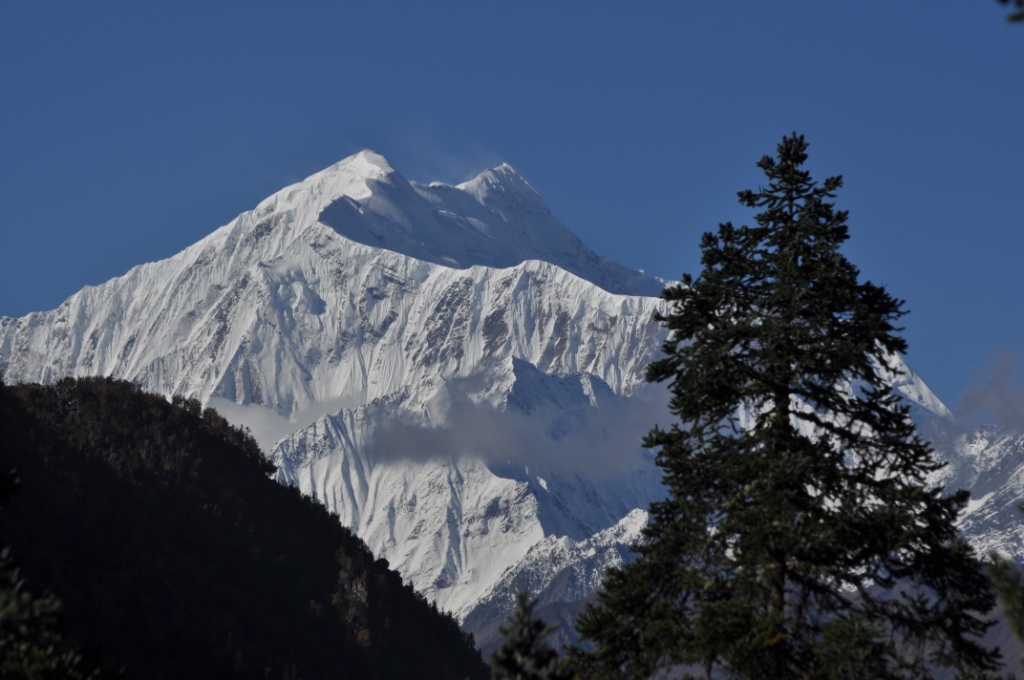
This is the trek that changes people. This is Nepal’s wildest frontier, following an ancient salt-trading route to the border with Tibet, where fewer than 100 people walk each year. The Limi Valley isn’t just remote… It’s a living museum of Tibetan Bonpo culture, preserved in mountain isolation while the rest of the world rushed forward. You’ll cross the Nara La pass at 15,160 feet with the Himalayas spreading endlessly in every direction, sleep in villages where century-old Buddhist traditions blend with shamanic practices, and track snow leopards through landscapes so pristine they feel primordial. This isn’t a trek with crowds or teahouse comforts — this is raw wilderness, rich culture, and the kind of journey that rewrites what you thought possible.
Trip Highlights
- Fewer than 100 people walk this route each year
- 19 days on an ancient salt trading route to the border of Tibet
- Cross two high passes — the Nara La at 15,160 feet and the Nyalu La at 16,236 feet
- A living museum of Tibetan Bonpo culture, preserved in mountain isolation
- Track snow leopards through some of the most pristine wilderness on earth
- Sleep in villages where century-old Buddhist and shamanic traditions still intertwine
- Natural hot springs, turquoise rivers, and skies so clear distances become impossible to judge
This is a sample of what Nepal has to offer. Every adventure we craft is fully customized to you.
The Adventure At A Glance
A quick look at some of the activities that shape this adventure.

Sample Itinerary


Day 1
Welcome to Nepal
Land in Kathmandu where chaos and spirituality collide in the most beautiful way — incense smoke curling from temple courtyards, the distant ring of temple bells, motorbikes weaving through streets lined with centuries-old architecture. Your representative meets you at the airport for transfer to your boutique hotel, then an evening tour briefing over dinner where you’ll learn what’s ahead. Rest well tonight in comfort, because tomorrow the mountains begin calling.
Day 2
Flight to Nepalgunj
Morning flight west over terraced hillsides that look like green staircases climbing to the sky. Nepalgunj sits in the lowland Terai, worlds away from Kathmandu’s altitude and energy. The air here is thick, tropical, carrying scents of mango trees and curry spices from street vendors. Check into your hotel and spend the afternoon wandering markets where locals trade goods that haven’t changed in generations, preparing your mind and body for the transformation ahead.
Day 3
Into the Mountains - Flight to Simikot
The flight to Simikot is nothing short of spectacular — tiny planes threading between Himalayan giants, the landscape below shifting from green valleys to rocky wilderness. At 2,950 meters, Simikot marks your arrival in the high country, where air thins and peaks surround you like ancient guardians. Check into your lodge, feel your heartbeat adjust to the altitude, and watch the sun set over mountains that seem close enough to touch yet impossibly distant.
Day 4
Trek to Dharapuri
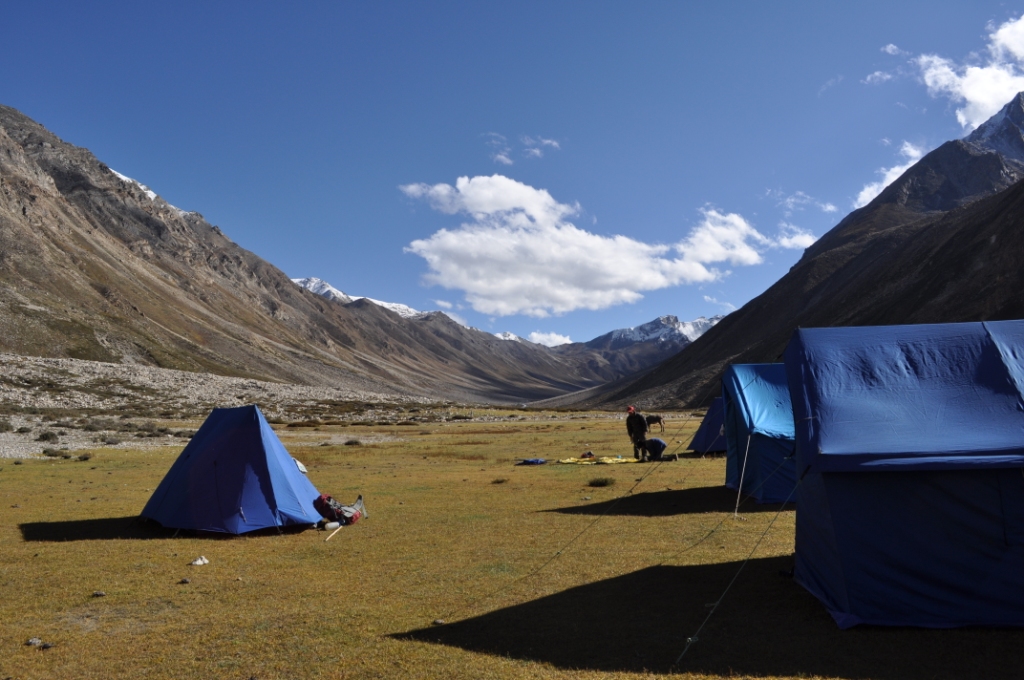
Your first day of walking begins gently — four hours through landscapes that introduce you to this wild corner of Nepal. The trail follows river valleys where water runs clear over smooth stones, passing small settlements where children wave from doorways and prayer wheels spin in the breeze. Camp tonight at 2,300 meters, where the only sounds are river song and the occasional bleat of mountain goats grazing nearby slopes.
Day 5
Dharapuri to Kermi
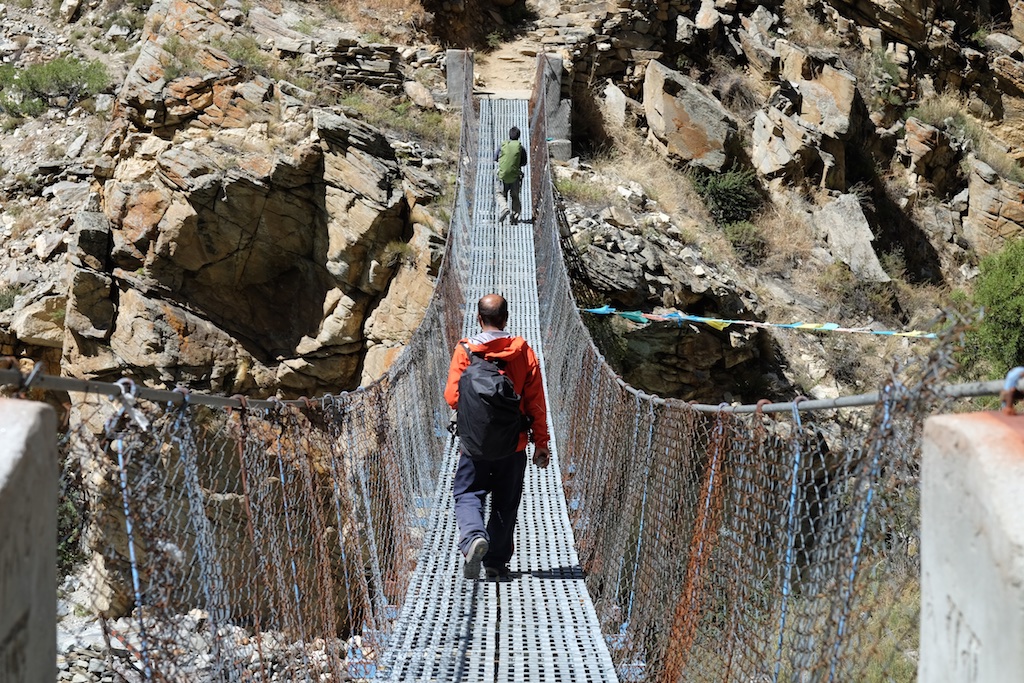
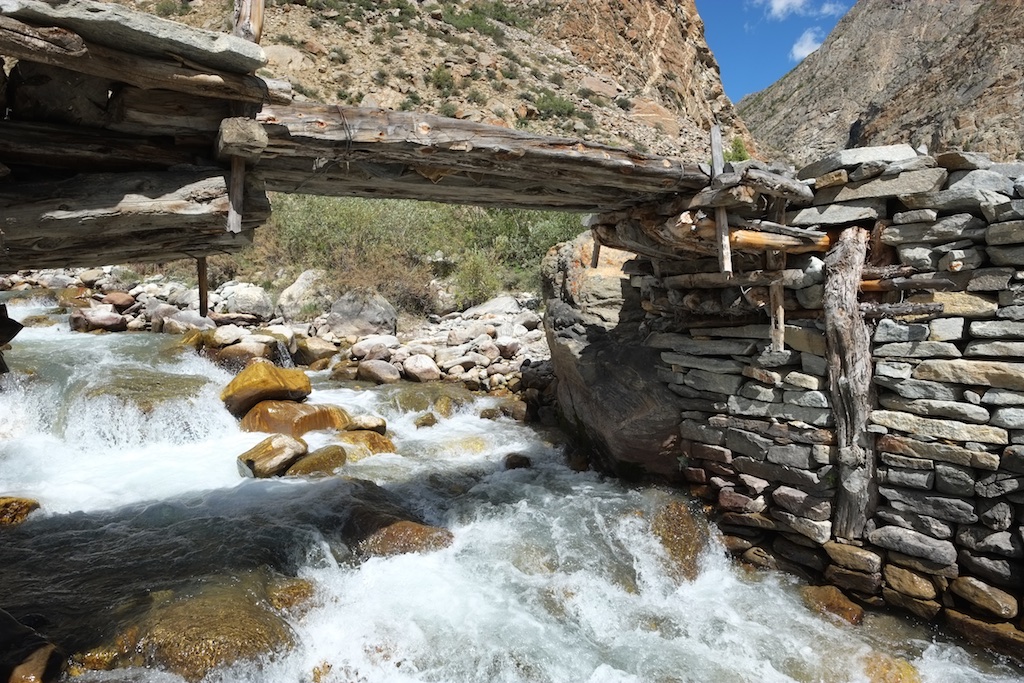
Three hours of trekking brings you to Kermi at 2,670 meters, where natural hot springs steam against mountain air. The trail winds through pine forests that smell of resin and earth, crossing suspension bridges that sway over rushing rivers. Tonight, soak trail-weary muscles in hot spring waters while peaks turn pink with alpenglow, letting the thermal waters work their ancient magic on muscles learning what it means to trek at altitude.
Day 6
Kermi to Yalbang
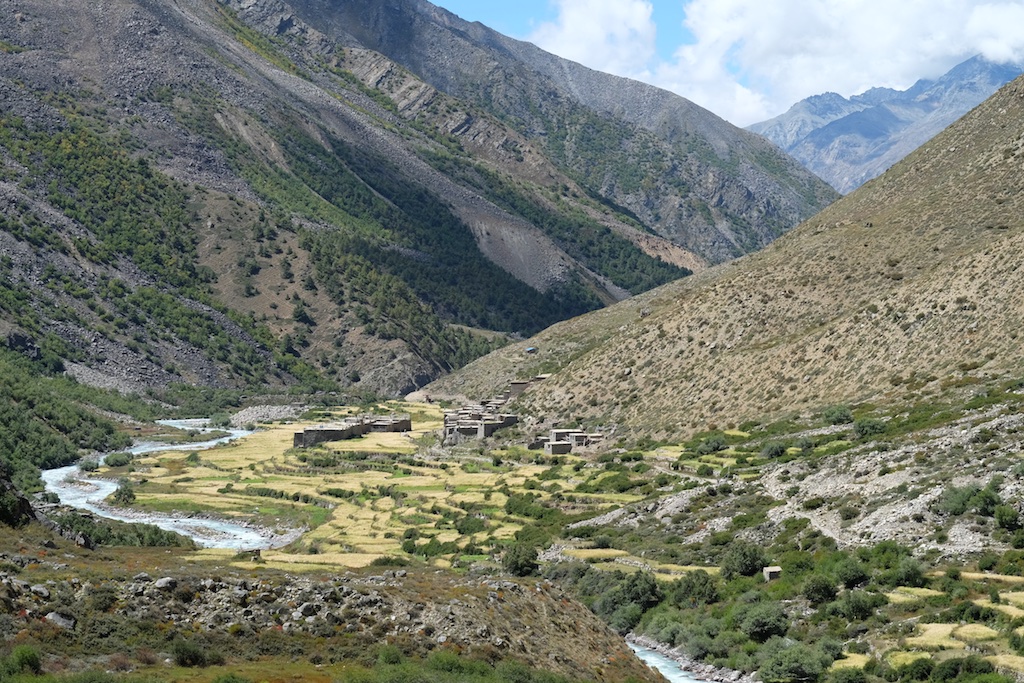
Five hours through changing landscapes as you climb to 3,020 meters. The valley narrows here, canyon walls rising steep on both sides while the trail follows terraced fields where barley grows in impossible places. Villages appear like stone mirages clinging to cliffsides, prayer flags marking gompa entrances where monks have chanted the same prayers for centuries. Camp with views that make your breath catch — or maybe that’s just the altitude working its way into your lungs.
Day 7
Yalbang to Muchu or Tumkot
Four to five hours of steady climbing brings you to 3,120-3,380 meters, where the landscape starts revealing its high-altitude character. Vegetation thins, replaced by hardy grasses and wildflowers that bloom in defiant bursts of color. The air carries less oxygen now, making each step more deliberate, more mindful. Tonight you sleep where stars appear so close and numerous they seem to hum, the Milky Way a river of light overhead.
Day 8
Muchu to Yari or Thado Dunga
Five hours of trekking to 3,700-3,750 meters, where altitude becomes real in your lungs and legs. The trail follows ancient trade routes where yak caravans once carried salt between Tibet and Nepal, their hoofprints still visible in stone worn smooth by centuries of passage. Villages here live in a different time, where traditions hold because isolation has protected them from the rushing modern world. Hot tea tastes like liquid gold at this elevation.
Day 9
Yari to Hilsa - Crossing the Nara La
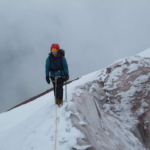
This is the day you’ve been climbing toward — six hours of trekking that includes crossing the Nara La pass at 4,620 meters (15,160 feet). Start in pre-dawn darkness, headlamps carving tunnels through blue-black air as you climb toward the pass. The final approach is steep, breath coming in gasps, but then you’re there — standing at the border crossing between Nepal and China with the entire Himalayan range spreading before you like the spine of the world. Prayer flags snap in wind that tastes of Tibet. Descend to Hilsa at 3,720 meters, legs shaking but spirit soaring.
Day 10
Hilsa to Manepeme
Five hours along the upper valley at 3,990 meters, where the landscape takes on a Tibetan character — vast, stark, beautiful in ways that feel almost lunar. The air is so dry it cracks your lips, so clear that distances become impossible to judge. Villages here are pure Tibetan in architecture and culture, white-washed walls and black-trimmed windows, prayer wheels at every entrance spinning mantras into mountain wind.
Day 11
Manepeme to Til
Six hours to 4,000 meters, deeper into the Limi Valley where time operates differently. The trail follows rivers that run turquoise against red-brown earth, passing chortens and mani walls inscribed with prayers. Wildlife appears if you’re patient and lucky — Himalayan blue sheep picking impossible routes up cliff faces, golden eagles riding thermals overhead, and if fortune truly smiles, the ghost-like movement of a snow leopard vanishing into rocks.
Day 12
Til to Halji
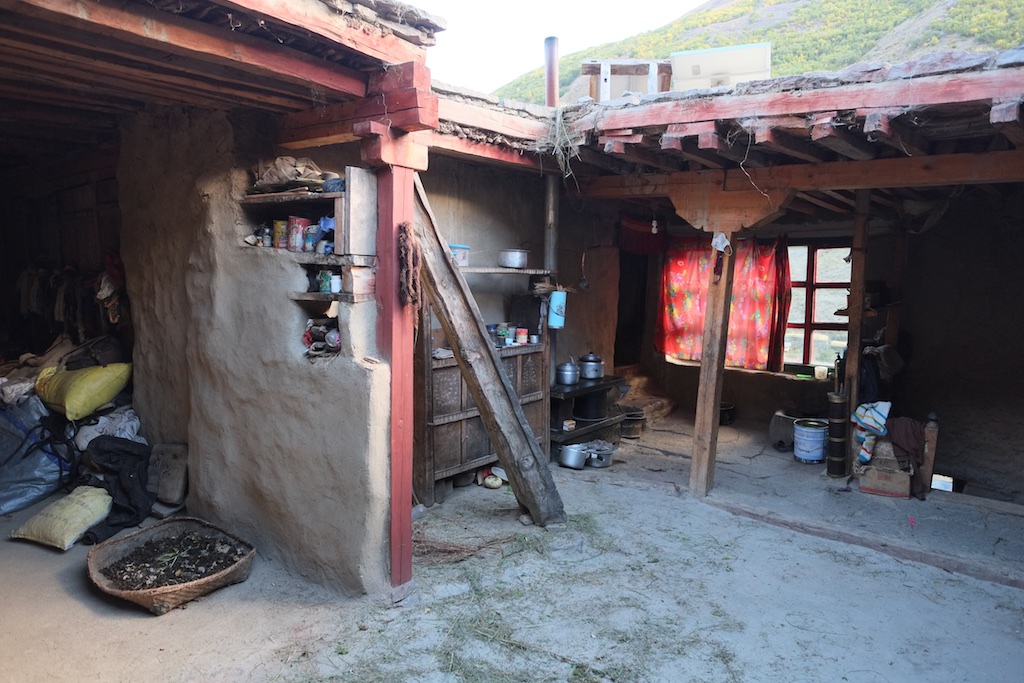
Three hours to Halji at 3,660 meters, but what this day lacks in distance it makes up in cultural richness. Halji hosts ancient monasteries where monks preserve Bonpo traditions that predate Buddhism’s arrival in Tibet. The village itself seems carved from the mountainside, stone houses stacked like children’s blocks, each one a fortress against winter winds. Spend the afternoon exploring, learning, listening to stories that stretch back a thousand years.
Day 13
Halji to Jang
Four hours to 3,930 meters through landscapes that oscillate between harsh and stunning. Rocky terrain gives way to hidden meadows where yaks graze, their bells creating random music that echoes off canyon walls. The villages along this stretch live at the edge of possibility, sustained by barley fields, yak herds, and a resilience that’s been tested by centuries of harsh winters and isolation.
Day 14
Jang to Talung
Eight hours of serious trekking to 4,370 meters — your longest day and highest camp. The trail demands everything you’ve learned about pacing, breathing, and mental endurance at altitude. But the reward is camping in a landscape so raw and beautiful it doesn’t seem real — peaks surrounding you in every direction, the sky so vast it makes you feel simultaneously insignificant and intimately connected to something ancient and wild.
Day 15
Talung to Shinjungma via Nyalu La Pass
Another massive day — eight hours that include crossing the Nyalu La pass at 4,949 meters (16,236 feet), your highest point on this journey. The climb to the pass is brutal in the thin air, each step a negotiation with your lungs and legs. But standing at the top with prayer flags whipping around you, looking back at where you’ve come from and forward to where you’re going, everything makes sense. Descend to Shinjungma at 3,620 meters, where thicker air feels like luxury.
Day 16
Shinjungma to Kermi
Seven hours descending back toward warmer, lusher landscapes. Your body remembers the altitude training now, moving more efficiently even as you drop elevation. Trees reappear, then bushes, then the green that seemed impossible just days ago. Return to Kermi’s hot springs for a second therapeutic soak, letting thermal waters ease muscles that have carried you across two high passes.
Day 17
Kermi to Simikot
Six hours back to Simikot at 2,950 meters, retracing steps that now feel familiar. The trail you struggled up two weeks ago now rolls beneath your feet with surprising ease — you’ve been transformed by altitude and distance into someone stronger. Check into your lodge, celebrate with your team, let the magnitude of what you’ve accomplished begin to sink in.
Day 18
Flight to Nepalgunj, then Kathmandu
Morning flight back to Nepalgunj, then onward to Kathmandu. The reverse journey happens quickly — what took you weeks to trek takes hours by air, though your body carries the journey in every muscle and your mind replays moments like a favorite film. Arrive in Kathmandu where the chaos now feels familiar, almost welcoming.
Day 19
Full Day Sightseeing in Kathmandu
Private tour through Bhaktapur and Patan with your guide, exploring UNESCO World Heritage sites where history lives in every carved wooden window and ancient stone courtyard. Visit Durbar Square where kings once held court, temples where prayers have been offered for centuries, and markets where artisans still create using techniques passed down through generations. Final night dinner celebration — you started as a traveler, you’re leaving as someone who crossed the roof of the world.
Day 20
Departure
Airport transfer with Nepal imprinted on your heart, the Himalayas forever visible behind your eyes, and stories that will take years to fully tell.
Photo Gallery
We have Got Your Back

Authentic
All Much Better Adventures trips are now guaranteed to run. Once you’ve booked your spot you can immediately make your travel arrangements, no uncertainty.

Immersive
Secure your spot with the minimum deposit and pay off the remaining balance in as many instalments as you like, with no interest or fees.

Transformational
We’re so sure you’ll enjoy yourself that we’re willing to back it up with our cash. Join us for an unforgettable experience!

Curated
To give you complete peace of mind Much Better Adventures is backed by ABTOT, ABTA and ATOL memberships.

We Actively Promote
Sustainable Travel
Explore Our Range of
Worldwide Adventures




Let The Adventure Begin